







Search Results for: Espresso vs Americano: Differences
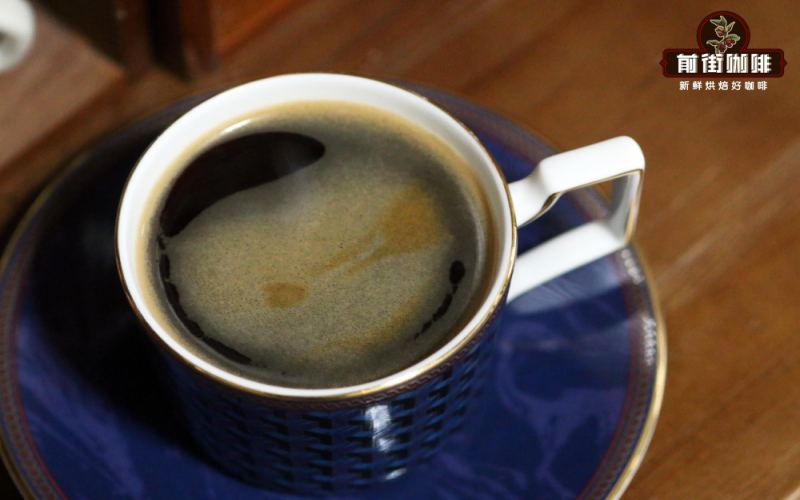
What Is Americano? A Full Analysis of Hot vs. Iced Taste Differences and Bitterness Comparison
Americano is made by diluting espresso with water. Although the method is simple, it is one of the most popular coffee categories in the world. Starting from the definition, this article compares the differences in aroma and mouthfeel among hot Americano, room-temperature Americano, and iced Americano, and explains how temperature affects taste perception, thereby changing the expression of bitterness and acidity. The article also combines Front Street Coffee's "Sunflower Warm Sun Blend" espresso beans to share bean resting suggestions and extraction experience, helping coffee lovers find an Americano style that suits them better. [more…]
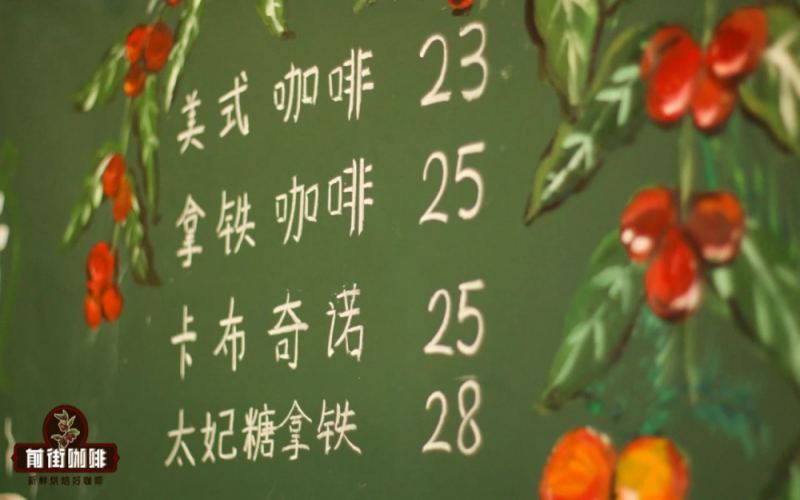
Espresso vs. Americano: Analyzing the Differences — Italian Standard Ratios, Preparation Process, and Flavor Characteristics
Walking into a coffee shop, the espresso and Americano on the menu often leave people puzzled: both belong to the category of black coffee, so what exactly is the difference? This article, from the perspective of Front Street, sorts out the origins of Americano and its two brewing methods, explains in detail the standard extraction parameters, essential conditions, and flavor performance of espresso, and shares recommendations for Front Street's specialty espresso blend coffee beans. At the same time, using a normal operating process as an example, it breaks down the steps of making espresso one by one, including handling the portafilter basket, weighing the grounds, distributing the grounds, tamping, and extraction, and finally gives the specific mixing ratios for iced Americano and hot Americano, helping coffee enthusiasts fully understand the differences between these two classic coffees and the key points of making them. [more…]
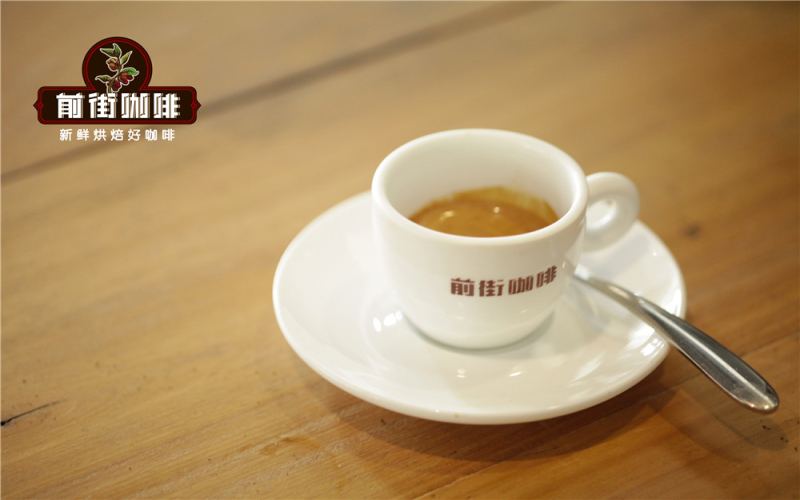
Comprehensive Comparison of Iced Americano vs. Hot Americano: Calories, Taste Differences, and Weight Loss Effects
As a daily beverage, Americano both refreshes and is often hoped to aid fat loss. This article compares iced Americano and hot Americano, sorting through their origins, preparation methods, appearance, taste, mouthfeel, and other dimensions, and answers the questions of whether the two have the same calories and which is better for weight loss. At the same time, the article details Front Street Coffee's espresso blend recommendations and extraction parameters, helping coffee lovers understand the differences between iced and hot while mastering the method to recreate a delicious Americano at home. Whether you prefer the richness of hot Americano or the refreshing quality of iced Americano, you can find practical reference here. [more…]
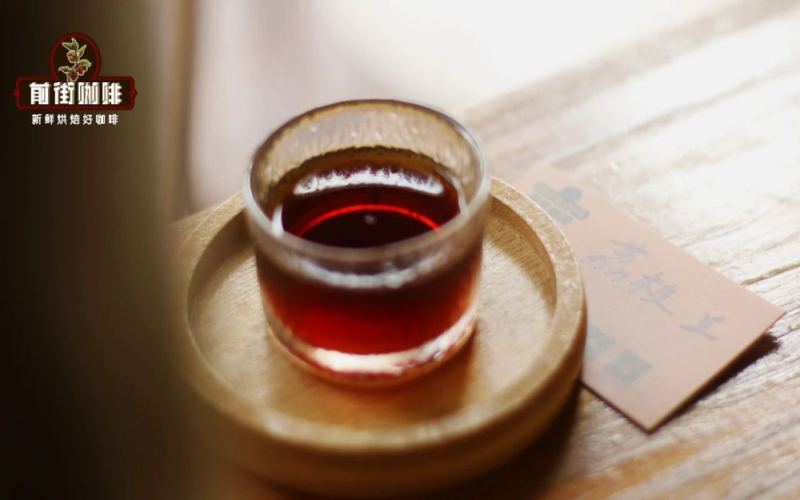
Pour-Over vs. Americano: A Full Explanation of Flavor Differences with the Same Beans and Extraction Methods
For the same coffee beans, what exactly is the difference in taste between pour-over and espresso when made into Americano? From the perspective of Front Street, this article first clarifies the fundamental differences between pour-over coffee and Americano in terms of English names and extraction principles, then uses Front Street Flower Kui coffee beans from the Sidamo region of Ethiopia as the test subject, recording the brewing parameters and flavor performance of pour-over and espresso respectively, and further tests the optimal ratio for making Americano by diluting espresso with water. The article also includes recommendations for various single-origin beans and espresso blends from Front Street, making it suitable for coffee enthusiasts who want to gain a deeper understanding of the differences between the two brewing methods. [more…]
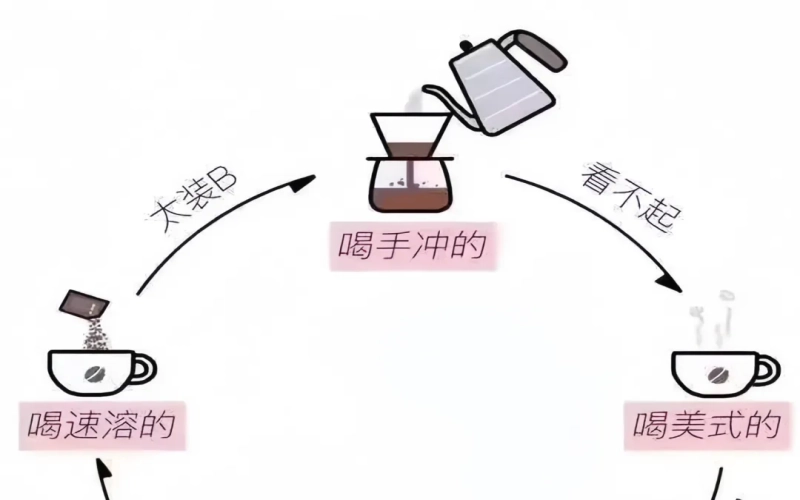
Americano vs. Pour-Over Coffee: A Comprehensive Comparison from Espresso Origins to Flavor and Mouthfeel
What exactly is the difference between Americano and pour-over coffee? Why do some people think Americano is inferior to pour-over? This article, from the perspective of Front Street, first introduces you to the origins of Americano—it comes from the wartime practice of American soldiers diluting espresso with water, and belongs to the Italian coffee system; then it sorts out the extraction logic and flavor characteristics of pour-over coffee. The full text analyzes the two around their brewing methods, taste performance, concentration differences, and audience preferences, helping you understand why Americano can have such a broad consumer base, while retaining Front Street's brand views and product recommendations, suitable for every coffee lover to read and reference. [more…]
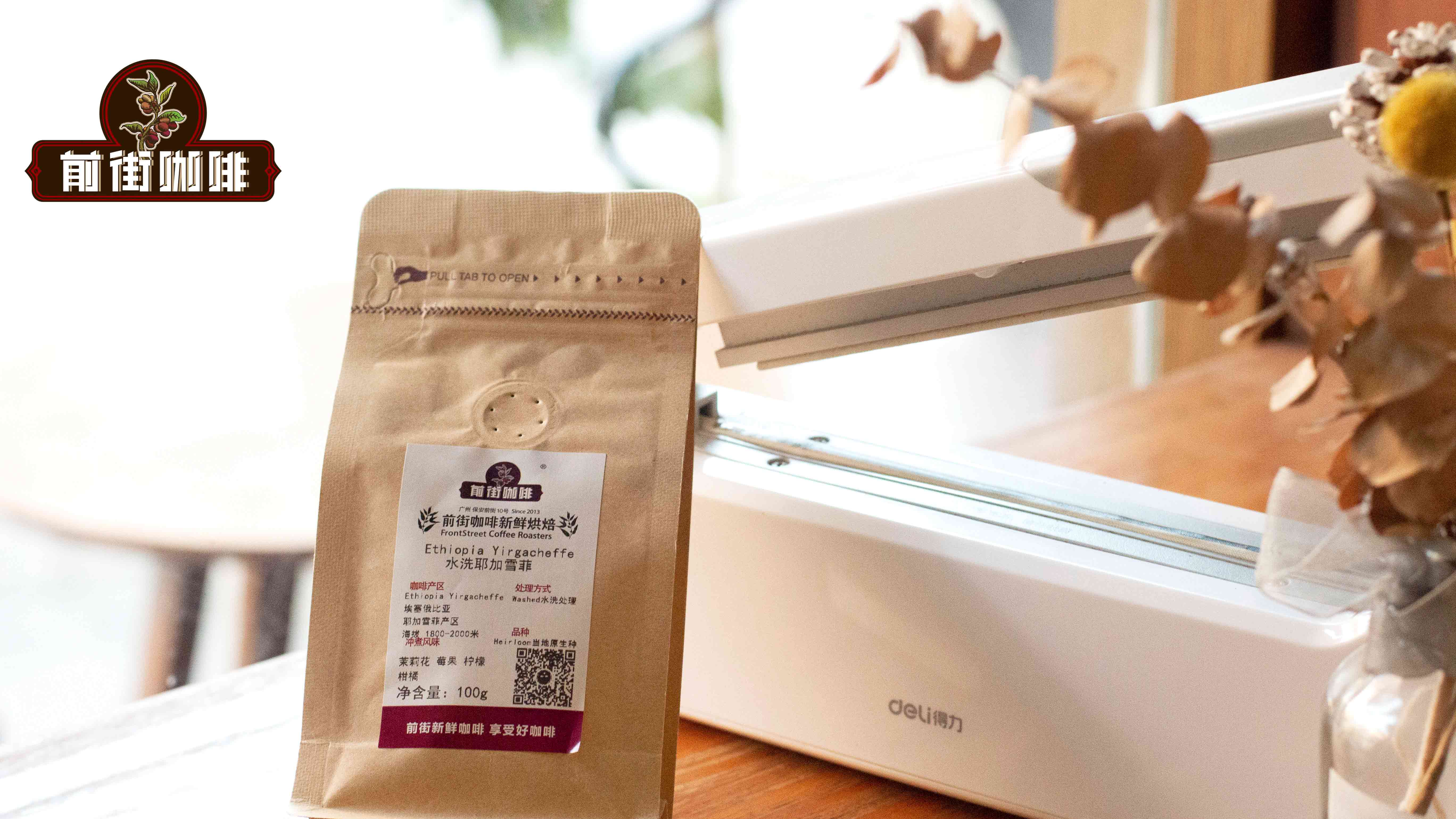
Yirgacheffe vs. Americano Flavor Differences Explained: SOE Brewing Key Points and Calorie Reference
Yirgacheffe is deeply favored by coffee enthusiasts for its signature acidity and floral aroma, and when it extends from pour-over to the realm of SOE espresso, the way its flavors present themselves changes significantly. This article centers on Front Street Yirgacheffe, first outlining its flavor characteristics as a light-roast washed bean, then explaining the concept of SOE and the background of its rise, analyzing why SOE is not necessarily superior to blended coffee, and pointing out the challenges of quality consistency when using single-origin beans to make espresso. It then offers recommendations for choosing coffee beans suitable for making SOE, with a focus on how Front Street Yirgacheffe Natural Red Cherry performs in espresso, Americano, and latte, and finally includes the extraction parameters for Americano and an analysis of the causes of common flavor issues, providing coffee enthusiasts with a reference that balances theory and practice. [more…]

Iced Americano Coffee Brewing Guide: A Breakdown of Blend vs. Single-Origin Bean Choices and Extraction Techniques
As the weather gradually turns cooler, many regions remain hot, and iced Americano is still the top choice for many coffee lovers to beat the heat. Front Street Coffee's Americano is highly favored for its unique subtle wine-like aroma. This article will detail how to make iced Americano, explore the differences between using blended coffee beans and single-origin coffee beans (SOE), and share Front Street Coffee's espresso extraction parameters and iced Americano preparation steps. At the same time, the article will also provide practical tips for making SOE Americano, helping you easily make a cup of iced Americano with stable flavor and a refreshing taste at home. [more…]
Yirgacheffe SOE Americano vs. Regular Americano: Flavor Differences Explained, with a Moka Pot Yirgacheffe SOE Coffee Tutorial
Yirgacheffe, with its signature floral and fruity notes and black tea undertones, has become a favorite among many coffee lovers. When it is made into an SOE Americano, how exactly does it differ from a regular Americano? Which one is more worth trying? This article will analyze it from the perspectives of flavor performance, roasting choices, and extraction parameters, and will especially introduce Front Street Coffee's Natural Red Cherry SOE, a single-origin bean designed specifically for espresso machines and moka pots. It also includes a specific method for making Yirgacheffe SOE with a moka pot, helping you easily recreate that alluring profile woven with citrus and white flowers at home. [more…]

Starbucks Flat White vs. Americano: A Taste and Bitterness Comparison, and an Analysis of the Core Differences Between Flat White and Cappuccino
On Starbucks' menu, Americano, Latte, and Flat White are all very familiar options to consumers, and among them, Flat White quickly became popular after being introduced in 2020. Many people are curious: which is more bitter, Flat White or Americano? And how is it different from Cappuccino? This article will, from the perspective of Front Street, introduce the definition, origin, and cultural background of Flat White, analyze its differences from Latte and Cappuccino in terms of espresso dosage and milk foam texture, and share the specific way Front Street stores make Flat White, including blend bean selection, the coffee-to-liquid ratio of ristretto, and extraction parameters, to help you understand this milk coffee more comprehensively. [more…]
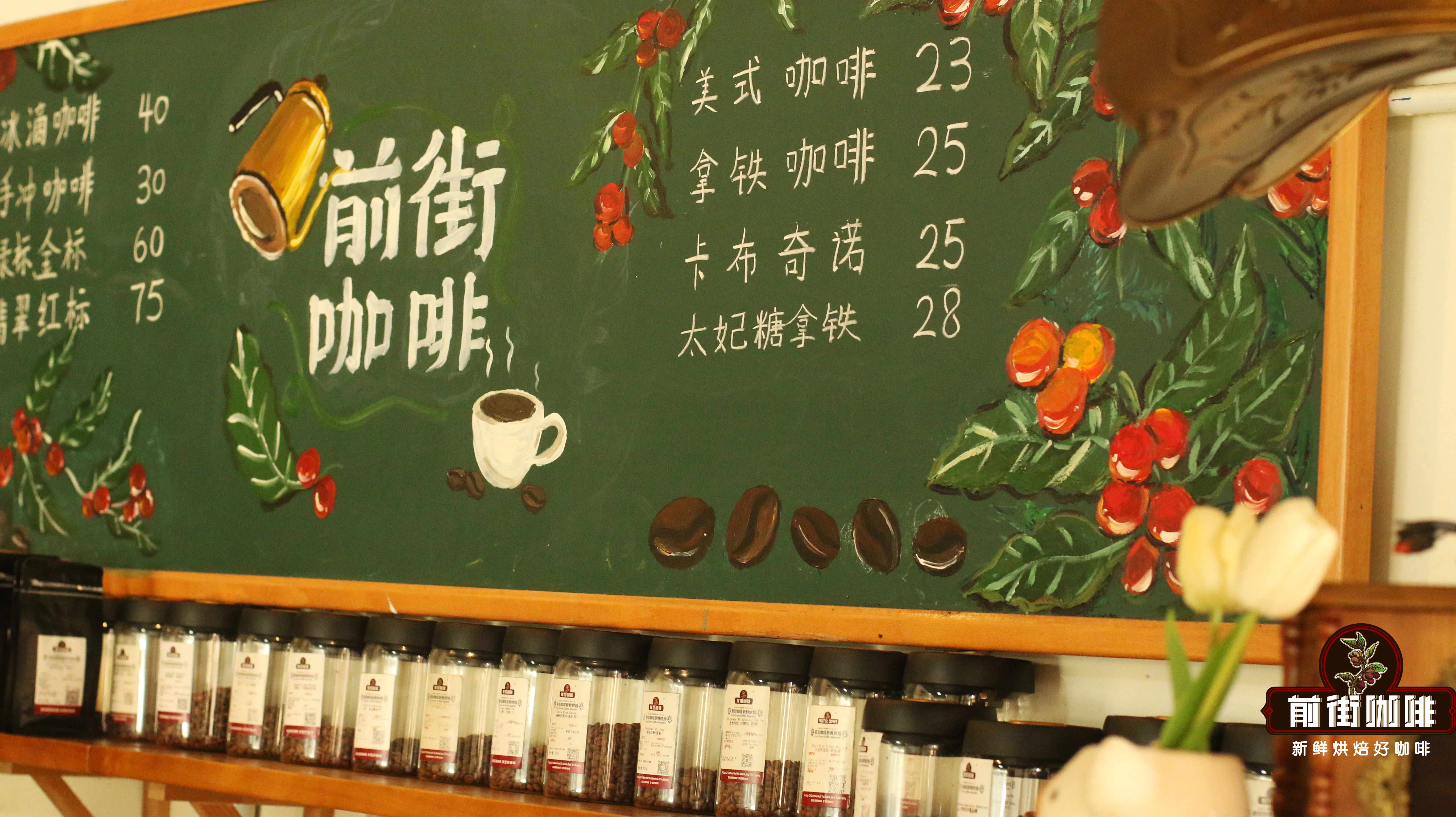
Espresso vs. Americano: Brewing Methods, Bitterness Comparison, and Milk & Sugar Recommendations
Espresso and Americano sound like they differ by only one word, but their actual meanings are worlds apart. This article starts from the origins of the concepts to help you clarify the relationship between espresso, the broader category of Italian-style coffee, and Americano, and explains in detail the brewing ratios for Americano, the differences between iced and hot preparations, and how adding sugar or milk affects the flavor. It also draws on Front Street Coffee's production experience to offer specific parameter recommendations for the classic Italian-style blend and the Warm Sun blend, including the ratio of espresso to hot water, the proportions for iced Americano, and the amount of fresh milk to add—practical information suitable for coffee lovers who are just starting out or looking to refine their brewing skills. [more…]
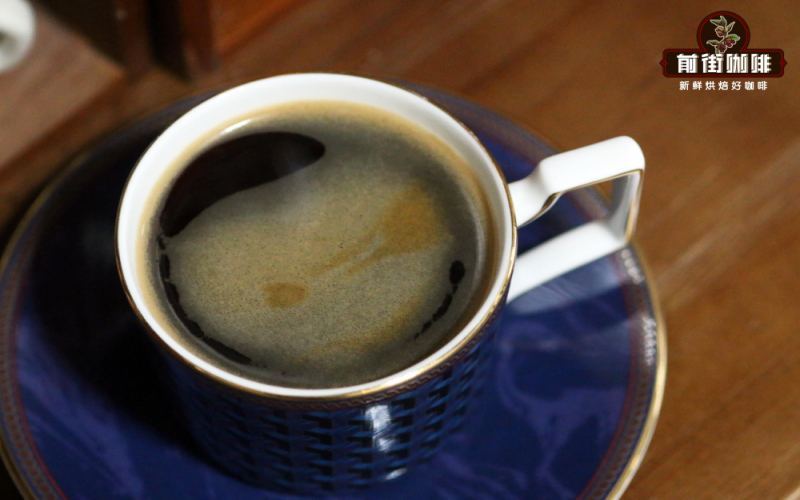
Espresso Diluted with Water vs. American Drip Machine: Differences Between Two American Coffee Brewing Methods and a Guide to Choosing Drip Coffee Beans
As the most common coffee beverage in daily life, Americano actually has two completely different preparation paths: one is the Americano made in coffee shops by diluting espresso with water, and the other is the Americano extracted directly using a drip coffee maker in home or office settings. Front Street Coffee will break down the differences between these two methods from the aspects of brewing principles, equipment requirements, operating procedures, and flavor performance, while also explaining the specific steps for using a drip coffee maker and offering selection suggestions for coffee beans from different origins, helping coffee lovers find the cup that suits them. [more…]
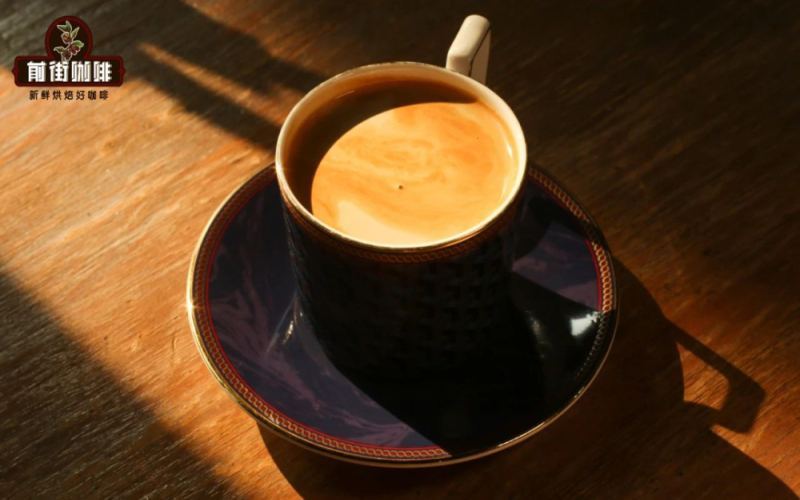
What coffee beans are used for Americano? A full breakdown of blends vs. SOE and iced vs. hot methods
Americano is made by diluting espresso with water, typically using dark-roasted Italian-style beans. Front Street Coffee uses a blend of single-origin beans from two regions to compensate for the low acidity of traditional Italian-style coffee and add layers of complexity. Many people ask: does an Americano have to use an Italian-style blend? What flavors would other beans bring? This article first explains the difference between blended beans and SOE, then compares three Front Street Coffee blends, offering three Americano options—one leaning acidic, one leaning full-bodied, and one leaning balanced—along with extraction parameters. Finally, it includes tasting steps for smelling the aroma, observing the color, and tasting, helping coffee lovers choose the right beans according to their taste and consistently make iced or hot Americanos at home. [more…]
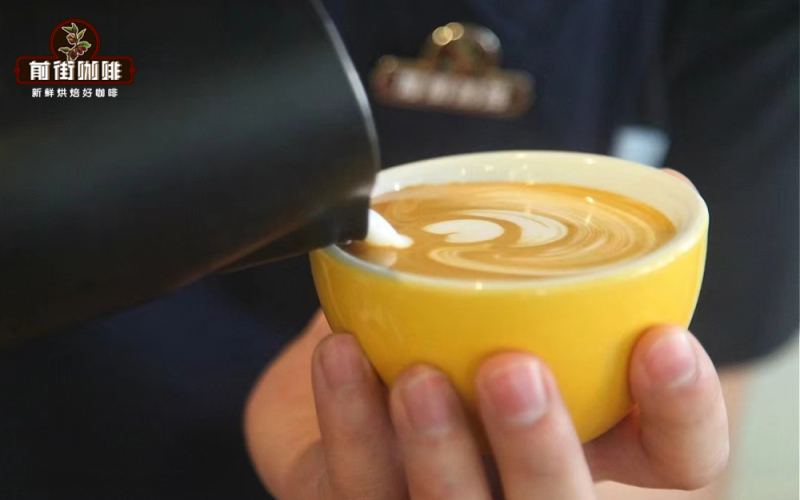
Starbucks Flat White vs. Australian White, Americano, and Cappuccino: A Taste Comparison—Which Is Bitterer and Smoother?
In the world of espresso, adding milk or water to espresso can transform it into a myriad of drinks such as Australian White, cappuccino, latte, and Americano. But are you clear about the differences between Starbucks Flat White and Australian White, Americano, and cappuccino in terms of taste, strength, and milk foam texture? Which cup is more bitter, and which is smoother? This article, from the perspective of Front Street Coffee, sorts out the recipe origins and production details of these coffees, and shares the extraction parameters and milk frothing techniques for Australian White and cappuccino, helping you make a cup of authentic Italian-style coffee at home. [more…]
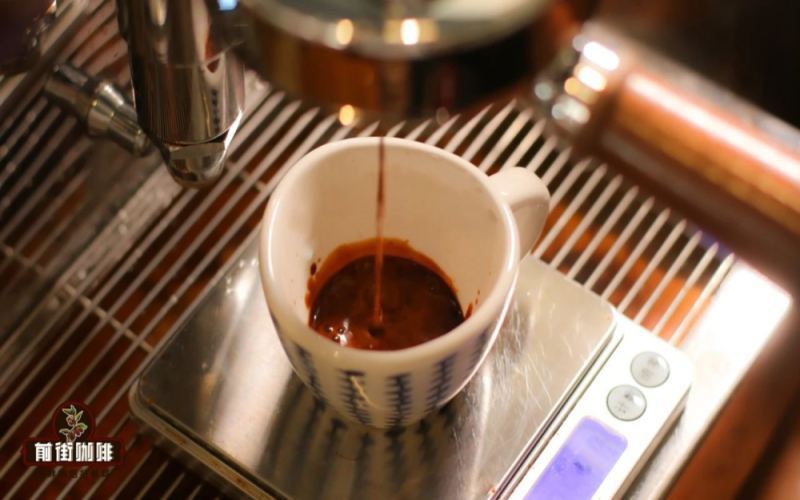
Iced Americano vs Iced Latte: Similar Caffeine? Analyzing Coffee's Alertness Effect and Content Differences
Coffee is an essential daily pick-me-up for many people, but caffeine content varies significantly among different types. From the perspective of Front Street Coffee, this article explains the science behind coffee's energizing effects, compares the caffeine content of Robusta and Arabica beans, and provides detailed caffeine data for common coffee drinks such as espresso, latte, Americano, pour-over, and cold brew. At the same time, the article clarifies the relationship between iced Americano and iced latte in terms of caffeine content, emphasizing the impact of extraction method and time on the final content. Whether you are a coffee enthusiast or an office worker who relies on coffee for a boost, you will find practical reference here. [more…]
Yirgacheffe SOE Americano vs. Regular Americano: Flavor Differences and a Single-Origin Espresso Bean Tasting Guide
When a customer walks into a café and asks whether they can choose the beans for their espresso, it actually opens up a topic worth exploring in depth: what exactly does it mean to make espresso from single-origin coffee? SOE (Single Origin Espresso) has gradually gained popularity in China in recent years, but it is not some profound technique—it simply means replacing espresso blend beans with single-origin beans and extracting them under high pressure using an espresso machine. Drawing on the practical experience of Front Street Coffee, this article systematically sorts out the taste differences between Yirgacheffe SOE americano and standard americano, discusses whether SOE is necessarily superior to blends, and shares the complete operational key points from bean selection and roasting to extraction parameters, helping coffee enthusiasts make a cup of Yirgacheffe americano or latte with clear flavor and pleasant balance at home. [more…]
Pour-Over vs. Espresso and Americano: Flavor Complexity, Brewing Time, and a Front Street Coffee Bean Selection Guide
Both are black coffee, yet pour-over and Americano have completely different personalities. Pour-over uses a drip filtration method, allowing precise control of extraction through grind size, water temperature, and pouring technique, showcasing the layers of acidity and sweetness in coffee along with the flavor surprises brought by temperature changes; Americano, on the other hand, is made by diluting espresso with water, relying on rapid extraction under 9 bars of pressure, emphasizing body and clarity of flavor. At Front Street Coffee, in daily production, pour-over commonly uses PWN Golden Mandheling and Ethiopia Sidamo Natural Huakui 5.0, while Americano uses the Sunflower Warm Sun espresso blend of Natural Yirgacheffe blended with Honduras Sherry, with a dilution ratio of about 1:6. If time permits, pour-over takes 3-5 minutes and offers a soothing experience; when in a hurry, an Americano can be completed in just 1-2 minutes. This article provides a detailed analysis of the differences between the two, helping you make the right choice in a café. [more…]
Pour-over coffee vs. espresso: extraction differences and flavor comparison — which is more suitable for beginners?
Between the two mainstream extraction methods of pour-over and espresso, coffee lovers often face confusion when choosing. This article systematically sorts out the core differences between pour-over drip coffee and espresso pressure extraction from the perspectives of extraction principles, equipment setup, and parameter control, and analyzes their different requirements for coffee bean quality and roast level. At the same time, drawing on Front Street Coffee's production experience, it introduces the suitable scenarios for the everyday bean series and classic espresso blends, and includes specific preparation ratios for hot Americano and iced Americano, helping readers make a wiser choice based on their own taste preferences. [more…]
American Coffee vs. Latte: Flavor Characteristics Explained — From Espresso Diluted with Water to Blended with Milk, Which One Suits You Better?
Americano and latte are the two most common espresso-derived drinks in cafés: one presents the pure black coffee flavor of espresso diluted with water, while the other blends espresso with milk for a smooth sweetness. This article will start with the history of Americano, its advantages in alertness and value for money, the application of specialty beans, and Front Street Coffee's specific extraction scheme, then compare the origins, ratios, and preparation details of the latte, helping coffee lovers understand the differences between the two in taste, strength, and suitable occasions, so they can make a choice based on personal preference. [more…]
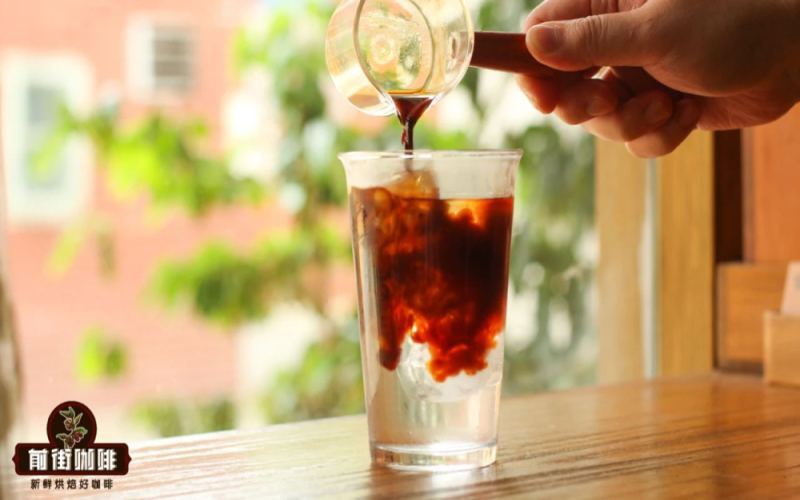
How to Choose Americano Coffee Beans That Aren't Sour? A Full Analysis of Hot vs. Cold Differences and Pour-Over Comparison
When many people drink Americano, their biggest concern is whether it is sour or bitter, and this is actually closely related to the choice of coffee beans, the extraction method, and the drinking temperature. Starting from Front Street Coffee's brewing experience, this article systematically sorts out the relationship between espresso and Americano, explains in detail the differences in flavor expression between hot Americano and iced Americano, analyzes the common reasons why Americano tastes bitter, and compares pour-over and SOE Americano made separately from the same Costa Rica Mozart coffee beans. Finally, according to different needs, it introduces the characteristics of several Front Street espresso blend coffee beans to help you find the Americano beans that suit your taste. [more…]
How to Choose Coffee Beans for Americano vs. Espresso Beginners? From African and American Regional Flavors to Home Blend Recommendations
Brewing coffee at home often makes buying beans the most纠结 step. This article starts with regional flavors to help you sort out the taste differences among coffee beans from different origins: Ethiopia in Africa is known for citrus, white floral notes, and a crisp fruity acidity, while Kenya has bright acidity and intense flavor, often with notes reminiscent of cherry tomatoes and smoked plums; Panama in the Americas has become a focus in recent years thanks to its floral aroma and juicy mouthfeel. If you do not like acidity, you can also turn to Blue Mountain, Mandheling, or Yunnan small-bean coffee, which have a balanced taste and high body. For espresso, it is recommended to start with a blend. The article also gives specific product recommendations from Front Street Coffee suitable for home beginners, making it easy to compare and choose. [more…]